

Plush vs. Medium Firm Mattress: Understanding the Key Differences
The primary distinction between a plush mattress and a medium firm mattress lies in their firmness level and support characteristics.
A plush mattress features a soft surface that offers significant sinkage when pressure is applied, while a medium mattress delivers a moderately conforming surface that strikes a balance—being neither too soft nor too firm.
Although both types provide pressure relief to varying degrees, they possess distinct attributes, ensuring that the plush vs. medium firm mattress debate remains a frequent topic among shoppers.
Plush Mattress vs. Medium Firm Mattress: Quick Comparison
|
Feature |
Plush Mattress |
Medium Firm Mattress |
|
Surface Feel |
Soft, sinks greatly under pressure |
Moderately conforming, balanced support |
|
Internal Construction |
Multiple soft comfort layers |
Sturdy support core with medium-soft top layer |
|
Pressure Relief |
Yes, deep contouring for joints |
Yes, balanced support and cushioning |
|
Ideal Sleep Position |
Side sleepers |
Combination sleepers |
What Is a Plush Mattress?
A plush mattress, often categorized within the soft to ultra-soft range (1–3 on the firmness scale), is designed for comfort and cushioning. It is commonly described as "cloud-like," offering a deep hug and noticeable sinkage when pressure is applied. These mattresses typically measure 12–14 inches in height, with the comfort layer making up at least 2 inches of the total height. While the upper section is soft and conforming, the base layers are generally constructed with more robust materials to prevent excessive sagging.
There are two popular types of plush mattresses:
1. Plush Innerspring Mattress: Incorporates a plush comfort layer above a supportive coil system. The coils are often smaller and more tightly arranged to enhance comfort while maintaining support. In high-end models, a dual-layer innerspring system may be implemented for maximum adaptability.
2. Plush Foam Mattress: Built entirely from foam—such as memory foam, latex, or high-resilience polyfoam—these mattresses rely on the density and quality of the foam to provide softness and support. Luxury versions may include pillow tops or euro-tops for extra plushness.
Pros of a Plush Mattress:
1. Delivers superior pressure relief.
2. Molds closely to the body, cushioning sensitive areas like hips and shoulders.
3. High-quality plush models include supportive layers to help maintain spinal alignment.
4. An excellent choice for strict side sleepers, lightweight individuals, and those with joint or muscle pain.
Cons of a Plush Mattress:
1. Some sleepers may feel "stuck" or confined due to the deep contouring.
2. Not ideal for heavier individuals—may cause excessive sinkage and spinal misalignment.
3. All-foam plush mattresses may trap body heat.
4. Typically less durable than firmer alternatives; may develop sagging earlier.
5. Often comes at a higher price point.
Who Is a Plush Mattress Best For?
1. Side sleepers
2. Lightweight individuals (under 130 lbs)
3. People with chronic pain or conditions such as pressure ulcers
What Is a Medium Firm Mattress?
A medium firm mattress ranks between 4 and 6 on the firmness scale and offers a blend of contouring comfort and foundational support. It prevents the body from sinking too deeply while still cushioning key pressure points. These mattresses usually include a supportive core—such as high-density foam or an innerspring system—coupled with a comfort layer that is about 1–2 inches thick.
Common types of medium firm mattresses include:
1. Medium Memory Foam: Contours softly to the body while limiting sinkage.
2. Medium Innerspring: Tends to feel firmer due to the steel coil support.
3. Medium Hybrid: Combines foam and coils for balanced softness and responsiveness.
Eshinesleep Mattress Series:
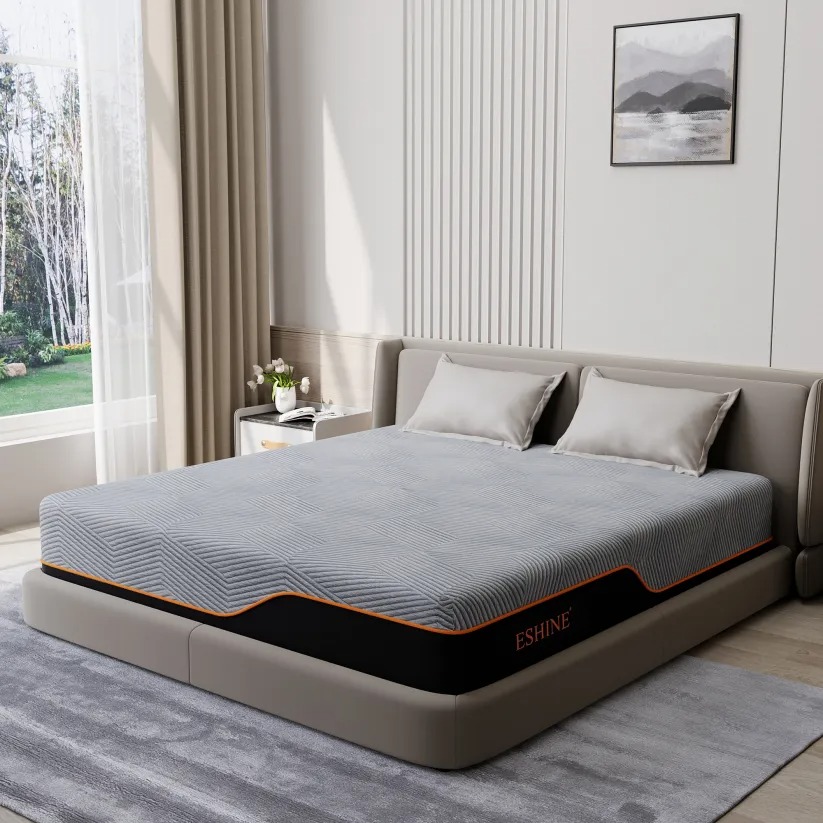 Luxe Series Memory Form Ultra-Plush Mattress
-800x.jpeg?w=800&h=800) Arctic Series Ultra Cooling Medium-Firm Mattress
Arctic Series Ultra Cooling Medium-Firm Mattress
-1-800x.jpeg?w=800&h=800) Luxe Series Hybrid Medium-Plush Mattress
Luxe Series Hybrid Medium-Plush Mattress
Pros of a Medium Firm Mattress:
1. Distributes weight evenly for balanced support.
2. Promotes healthy spinal alignment.
3. Suitable for a wide range of sleeping positions.
4. Often helps reduce muscle stiffness and soreness.
Cons of a Medium Firm Mattress:
1. May be too firm for lightweight side sleepers.
2. Might not offer enough contouring for people with significant joint pain.
3. Heavier individuals may still experience unwanted sinkage.
Who Is a Medium Firm Mattress Best For?
1. Combination sleepers
2. People weighing between 130–230 lbs
3. Couples with different sleep preferences
4. Back and stomach sleepers
Plush vs. Medium Firm for Back Pain
There’s a common misconception that firmer mattresses are always better for back pain. However, research suggests that a medium firm mattress often provides the ideal balance—enough support to keep the spine aligned and enough cushioning to relieve pressure. A mattress that is too soft can cause the spine to curve unnaturally, while one that is too firm may create pressure points. Therefore, a medium firm surface is generally recommended for individuals with back pain.
How to Choose Between Plush and Medium Firm
When deciding between a plush and medium firm mattress, consider the following:
1. Body Weight: Lighter individuals often prefer plush; average and heavier sleepers usually benefit more from medium firm.
2. Sleeping Position: Side sleepers typically choose plush; back, stomach, and combination sleepers tend to prefer medium firm.
3. Health Needs: Those with joint pain or circulation issues may opt for plush, while people with back pain often lean toward medium firm.
4. Durability: Medium firm mattresses typically last longer.
5. Temperature: Plush all-foam mattresses may sleep warmer; medium firm hybrids or innersprings often sleep cooler.
6. Motion Isolation: Plush foam mattresses reduce motion transfer better—beneficial for couples.
Try the Eshinesleep Medium Firm Mattress
For those seeking a balanced feel, the Eshinesleep Medium Firm Mattress is an excellent option. It includes:
1. A breathable, cooling cover
2. Gel-infused memory foam for pressure relief
3. A dynamic response layer for ease of movement
4. A high-density base foam for lasting support
This mattress is designed to keep sleepers cool and properly supported throughout the night.
Conclusion
The choice between a plush and a medium firm mattress is highly personal. While plush mattresses excel in contouring and pressure relief for side sleepers and lighter individuals, medium firm mattresses offer versatile support suited to a broader range of sleep styles and weights. Always consider your body type, sleep habits, and any specific health needs when choosing. Avoid extremes—overly soft or overly firm mattresses—and take advantage of sleep trials to find your perfect match.


